Recycling and Sustainability at Tree Surgeons Twickenham
 At Tree Surgeons Twickenham, sustainability is built into the way we work every day. Our approach to tree surgery in Twickenham is designed to reduce waste, recover useful materials, and keep as much organic matter as possible in circulation. Instead of treating green waste as rubbish, we separate, process, and direct it into appropriate recycling streams. This helps us support a cleaner local environment while making better use of the natural resources created by routine arboricultural work.
We aim for a recycling percentage target of 95% across suitable waste streams generated by pruning, felling, site clearance, and stump work. That target covers wood, brushwood, chip, timber, soil, and metal components where applicable, with only a very small fraction destined for residual disposal. As a Twickenham tree surgery team, we recognise that tree work can produce large volumes of organic material, so our priority is to divert this material away from landfill wherever practical.
Our recycling process starts on site. Branches are separated from trunks, clean timber is kept apart from mixed arisings, and reusable woodchip is prepared for onward use in mulch, biomass, or soil improvement. In parts of the local area, borough waste systems encourage careful separation of green waste, wood, and general rubbish, and we mirror that principle within our own operations. This means the recycling pathway is chosen with care, not left to chance.
 A key part of our sustainability approach is using local transfer stations and recycling facilities wherever possible. By choosing nearby outlets for green waste and arboricultural material, we reduce transport distance and support better sorting at the point of processing. This matters in and around Twickenham, where access routes and urban congestion can add unnecessary emissions if waste is hauled long distances. Working locally helps keep the carbon footprint of our tree surgeons in Twickenham services lower.
Local transfer stations are especially useful for separating materials that require different treatment. For example, untreated wood can often be directed to biomass or chip recovery, while mixed loads may be screened to extract clean fractions. Soil from root and stump operations may also be handled separately from woody waste, depending on contamination levels. This careful handling supports a more circular approach, where the right material reaches the right destination with minimal loss.
 We also look for opportunities to partner with charities and community-focused organisations. Usable timber, timber offcuts, and selected woodchip can sometimes be redirected for projects where those materials have a second life, such as habitat work, educational spaces, or community gardening improvements. These partnerships help ensure that the useful by-products of Twickenham tree surgeons work can benefit local causes rather than being discarded unnecessarily.
Our low-carbon vans are another important part of the picture. We are investing in more efficient vehicles and improving route planning so that journeys between jobs, transfer stations, and recycling points use less fuel. In an area where many visits may involve short urban trips rather than long motorway runs, those efficiency gains add up quickly. Lower-emission vehicles help support our commitment to greener tree surgery services in Twickenham and the wider borough environment.
Vehicle choice is only one side of the equation. Loading patterns, scheduling, and material consolidation all play a role in reducing unnecessary trips. By grouping collections and drop-offs intelligently, we can lower idle time and avoid repeat journeys. That approach not only cuts emissions but also helps us maintain cleaner sites, because waste is moved promptly into the correct recycling channel rather than left to accumulate.
We also pay attention to the specific waste types common in arboricultural work across the boroughs. Green waste, bark, branches, logs, chip, and mixed garden material may all need different handling depending on the end use. In line with local expectations around waste separation, we keep recyclable materials distinct from general refuse and ensure that metal fixings, fencing fragments, and non-organic debris are removed where possible. This attention to sorting improves recovery rates and keeps contamination low.
 Sustainability is not a single action; it is a chain of decisions made from the first cut to the final load. That is why we emphasise responsible chipping, careful storage, and clear identification of recyclable material. Where suitable, woodchip can be reused as mulch to suppress weeds and retain moisture in planting beds, while larger timber may be routed toward reuse or processing. These are practical steps that reflect how modern Twickenham tree surgery can work in harmony with environmental goals.
We are equally mindful of the wider community benefit. Charitable partnerships can help extend the useful life of materials that still have value, especially when they can support green spaces, community gardens, or habitat restoration. Even when materials are not fit for direct reuse, they can still enter streams that recover value through energy generation, composting, or engineered recycling processes. Our goal is always to match material quality with the most sustainable option available.
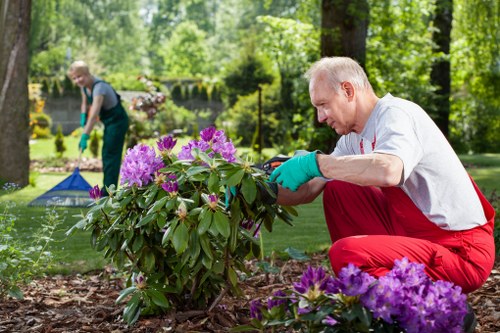 Looking ahead, we will continue refining our recycling performance, expanding low-carbon transport use, and strengthening links with local recycling partners and charities. The sustainability standards expected across Twickenham and neighbouring boroughs are rising, and we welcome that direction. By combining efficient operations, smart material separation, and a strong recycling target, Tree Surgeons Twickenham aims to remain a responsible choice for environmentally conscious tree care.